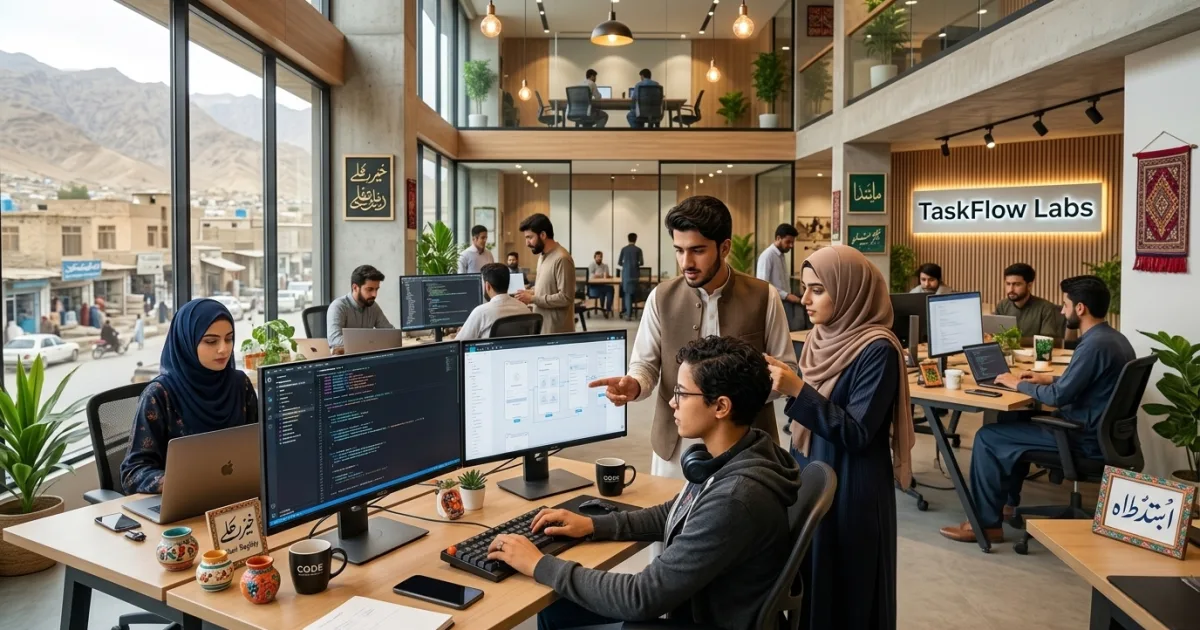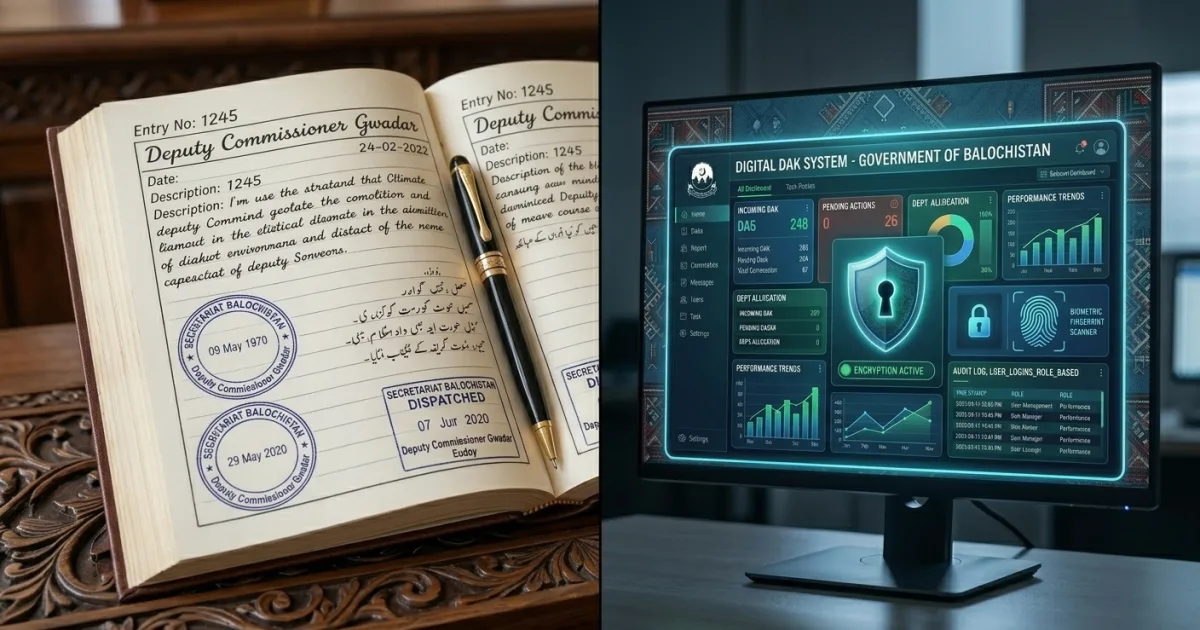

A new morning dawned in the administrative corridors of our esteemed office, where our visionary leadership reaffirmed their profound commitment to time-honored traditional practices. We proposed the implementation of a comprehensive, state-of-the-art Digital Dak and Correspondence Management System—a sophisticated administrative panel engineered with granular role-based access controls, verifiable audit logs, and robust information security protocols.
Regrettably, this modern infrastructure was summarily dismissed under the unfounded pretext that "it is not secure." In a profound irony, the administration advocated for the continued use of shared collaborative spreadsheets. They remain blissfully unaware of the substantial data privacy risks associated with synchronized accounts as detailed in Google's Sync Guidance. Utilizing a single Gmail account across multiple devices results in extensive data exposure; contacts, calendar events, personal files, and private device locations through Find My Device become fully accessible to all users. Furthermore, such setups often lead to files being set to "Anyone with the link," effectively making sensitive government data publicly accessible to anyone on the internet.
Even more concerning is their failure to grasp the fundamental concept of software sovereignty. We offered to provide the full source code, which would become the exclusive property of the Government of Balochistan. This would allow them to host the system on their own official servers and domains, ensuring total control and security independent of third-party platforms.
It serves as a testament to institutional inertia when a civil servant, officially designated as a peon, voluntarily pioneers and presents such advanced technological solutions for the modernization of administrative workflows in Balochistan, only to be met with systemic bureaucratic resistance. Now, you tell me, who is truly lost?